
《TAIPEI TIMES》 Older single households hit new high
我們不能讓他們白白死去。
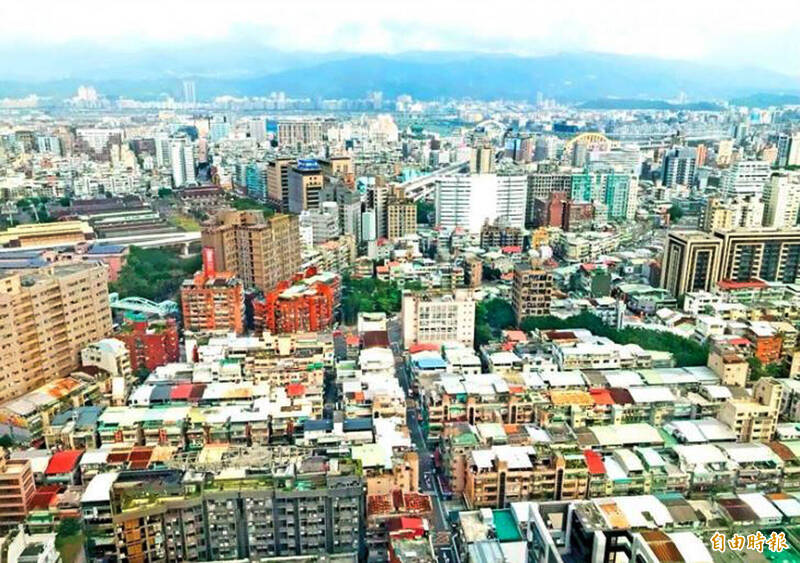
Commercial and residential buildings in Taipei are pictured in an undated photograph. Photo: Taipei Times
HOUSEHOLD FIGURES: As retirement communities remain relatively uncommon in Taiwan, many older adults continue to favor aging in place, particularly in urban areas
By Hsu Yi-ping and William Hetherington / Staff reporter, with staff writer
The number of households in Taiwan occupied by a single resident aged 65 or older reached a record of 713,600 in the first quarter this year, the latest statistics from the Ministry of the Interior showed.
The total number of households occupied exclusively by people in that category also reached a record high of about 923,400. Of those, about 190,300 were two-person households, in which an older couple lived together, while nearly 19,600 households were home to three or more older residents. All three categories posted quarterly increases, indicating a steady rise in households with only older residents.
The trend is most pronounced in urban areas. Taipei, New Taipei City and Kaohsiung together accounted for about 422,400 such households, or 45.7 percent of the national total. Taipei had the highest proportion among the six special municipalities, with older households accounting for 14.76 percent of all registered households, meaning about one in every 6.8 households was occupied solely by older residents.
Sinyi Realty researcher Tseng Ching-te (曾敬德) said the trend of older people living alone is becoming more common because of factors such as lifelong singlehood and widowhood, reflecting broader demographic changes.
As retirement communities remain relatively uncommon in Taiwan, many older adults continue to age in place, making access to healthcare, transportation and social activities increasingly important.
HSC Real Estate Research Center executive director Ho Shih-chang (何世昌) said previous attempts in Taipei and New Taipei City to promote housing exchanges or shared living arrangements between younger and older residents have had limited success. The increasing number of older people living alone in Kaohsiung suggests the issue is spreading beyond northern Taiwan, highlighting the need for policies that improve housing conditions and mobility for older adults nationwide.
Ho said the trend is being driven not only by Taiwan’s transition into a super-aged society, but also by changing family values. As younger generations are less likely to live with or care for aging parents, and more financial tools allow seniors to use housing assets for retirement, many older people have come to regard property as a more reliable source of security than relying on their children.
Colliers Taiwan director Huang Shu-wei (黃舒衛) said the rise in single older people, older couples and households with multiple older residents reflects rapid population aging and a strong preference among Taiwanese seniors to remain in their own homes.
According to the Ministry of Health and Welfare’s 2022 Survey of the Living Conditions of Older People, only 2.09 percent of people aged 65 or older live in long-term care institutions, while 97.91 percent continue living at home, with many moving into care facilities or senior housing only after requiring assistance.
Huang said the growing number of older people living alone could also slow urban renewal, as many older homeowners prefer to remain in aging buildings and often lack the financial means or ability to relocate. He said expanding rental assistance, trust services and social welfare resources should become a policy priority comparable to the government’s efforts to promote family housing.
新聞來源:TAIPEI TIMES